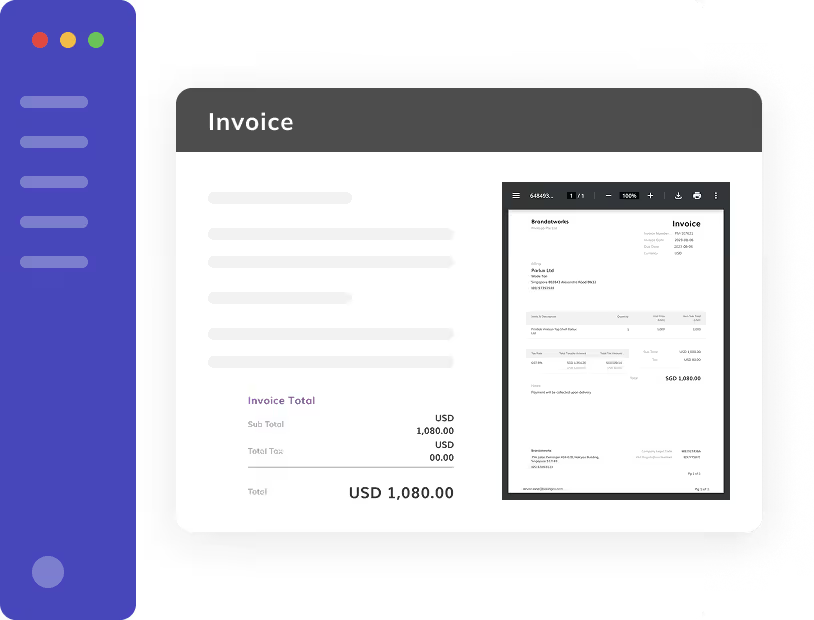
AI that extracts data from invoices, generates journal entries automatically, and proposes bank reconciliation matches, so accountants spend less time on data entry and more time on judgment.
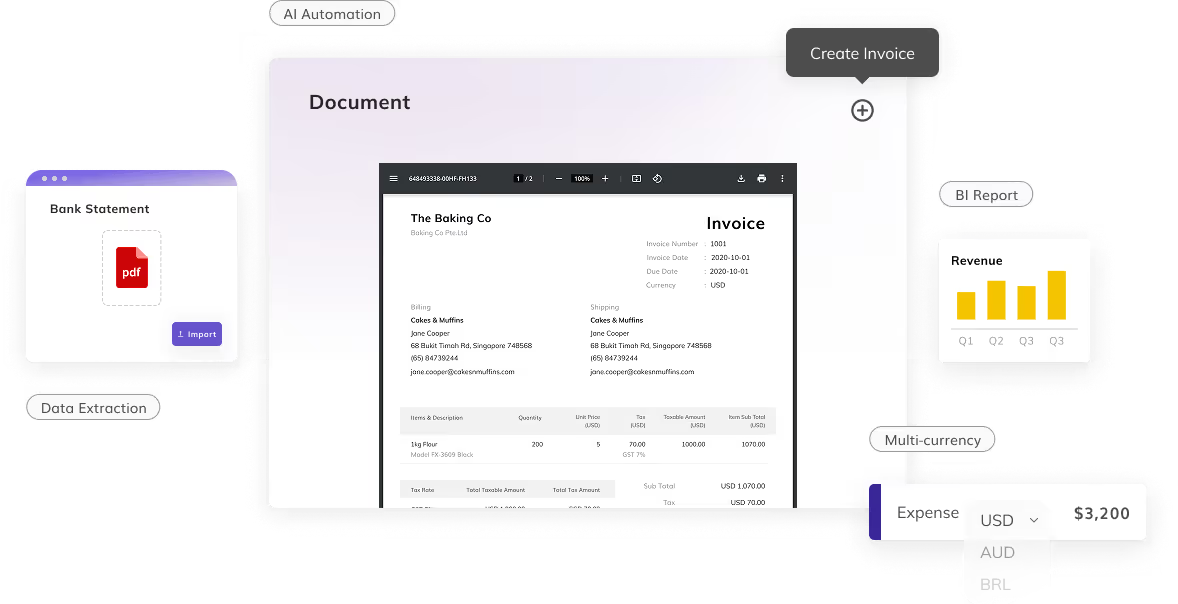
Most accounting work isn't decision-making. It's transcription. Reading an invoice, typing the vendor, the amount, the tax, the date; matching a bank line to a posted transaction; running revaluation at period-end. The work is necessary, repetitive, and a poor use of accountant time.
Eleven's AI and automation features target this layer specifically: the transcription, the matching, the period-end mechanics. The judgment work, categorization edge cases, exceptions, review, stays with the accountant. The goal isn't autonomous bookkeeping; it's eliminating the part of accounting that doesn't actually require an accountant.
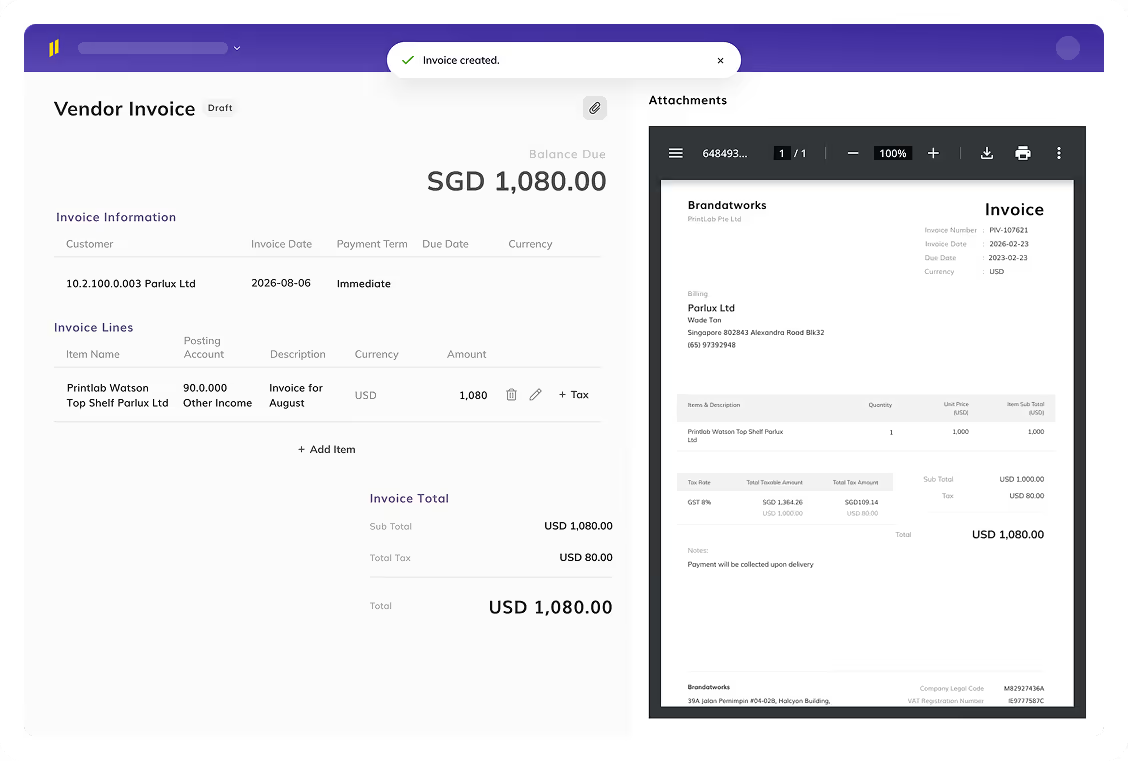
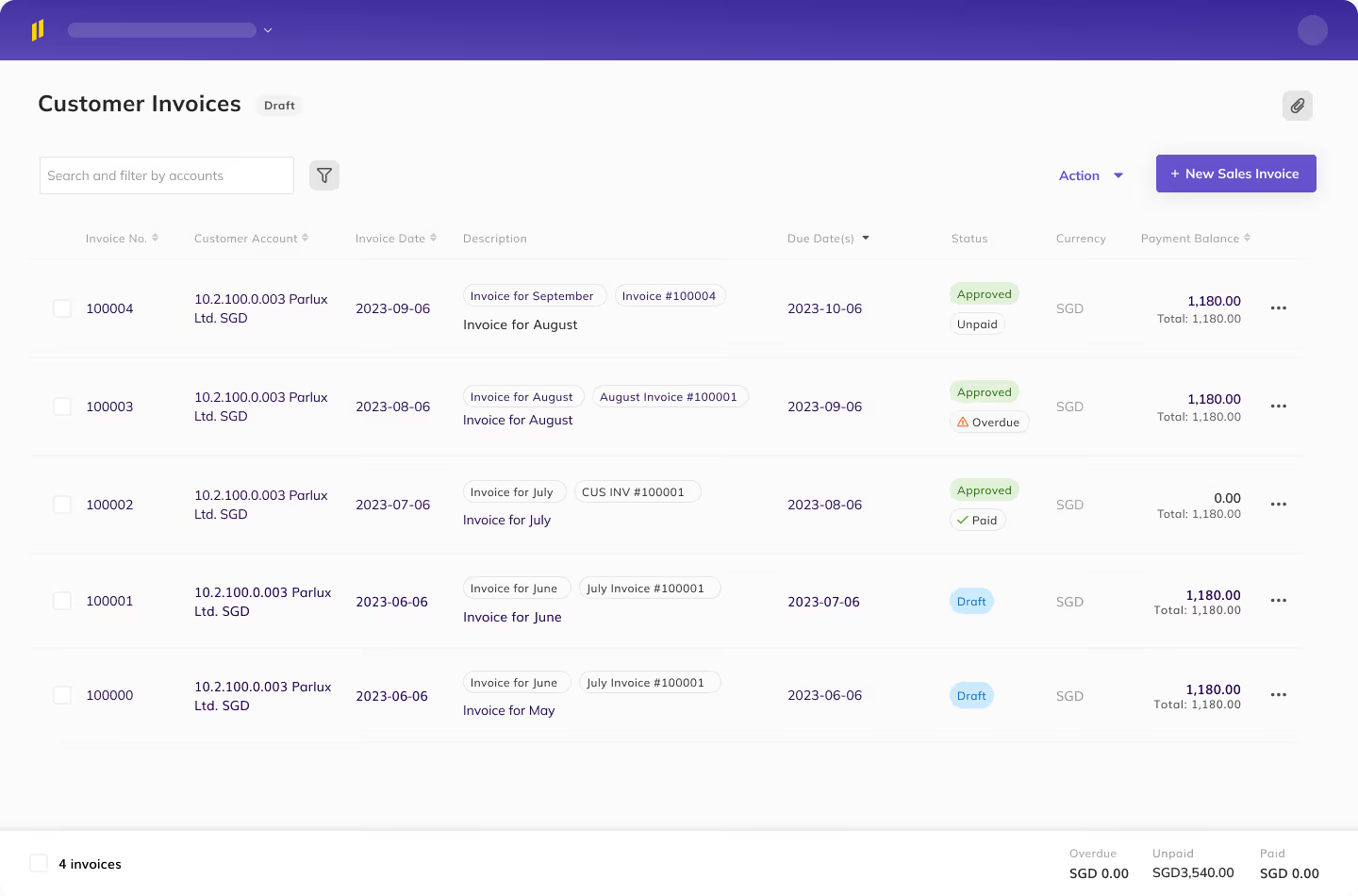
Upload a vendor invoice or a sales invoice, as PDF, image, or email attachment, and Eleven's AI extracts the structured data and turns it into an invoice record on the platform. Vendor, amount, date, tax, line items: parsed and ready for review, without manual typing.
The extraction is purpose-built for accounting documents, not generic OCR. It recognizes invoice fields by context rather than position, which means it works across different layouts, languages, and vendors without per-vendor configuration. Auto-suggestions based on your historical entries speed up coding for recurring vendors, by the third invoice from the same supplier, the relevant account and dimensions are typically pre-filled.
Extracted invoices land in a review queue before posting. Nothing posts to the ledger without an accountant confirming it.

In most accounting systems, creating an invoice and posting its journal entry are two separate actions. The invoice goes into one module; the JE is created, manually or via a sync into the ledger. The two can drift, and reconciling them is an end-of-period chore.
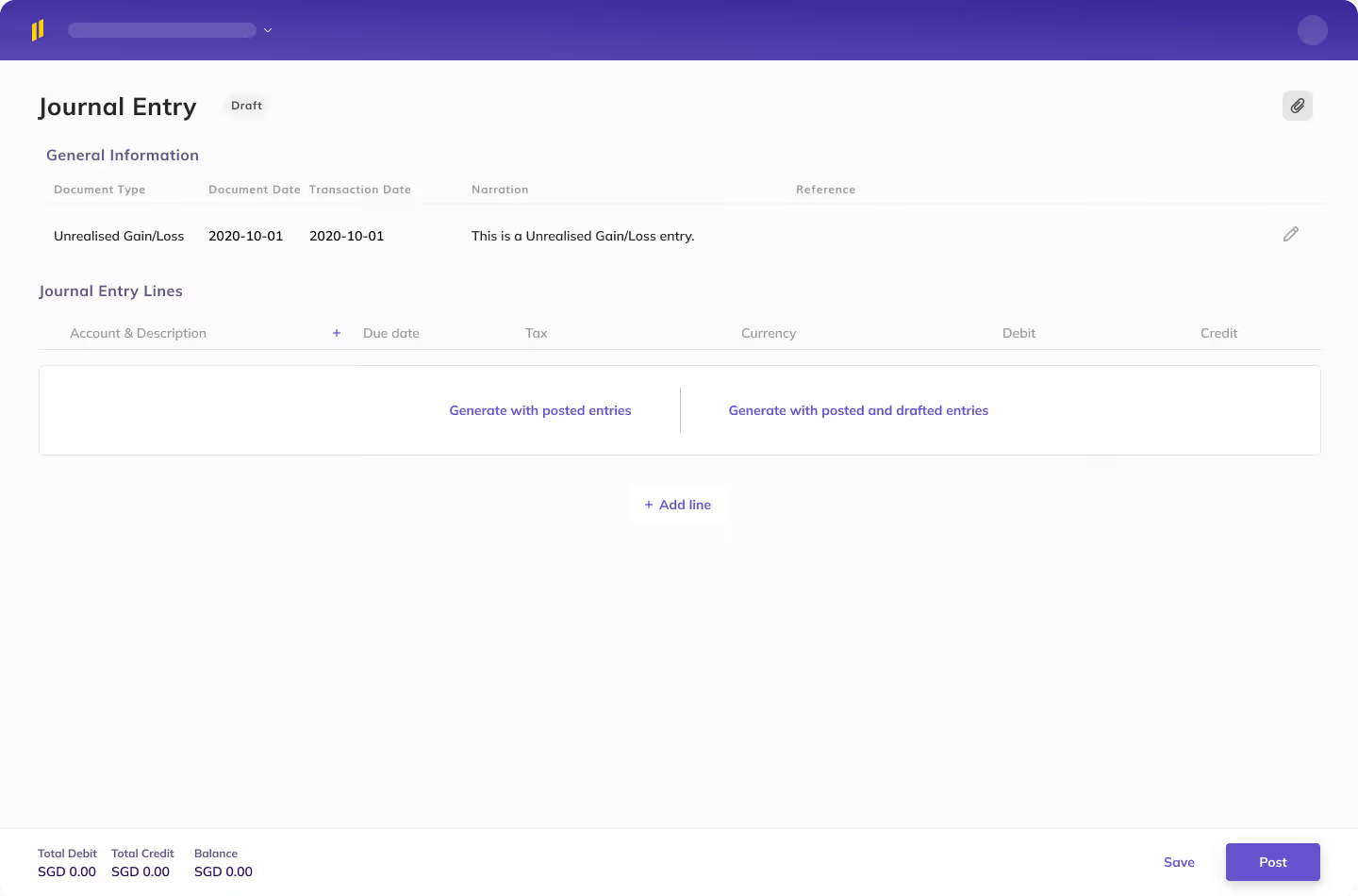
In Eleven, every invoice generated automatically creates its journal entry. No separate JE step, no batch sync, no risk of the two drifting apart. The journal entry sits as a draft alongside the invoice and posts to the ledger when the accountant reviews and confirms it.
For accountants, this means one less reconciliation, fewer "where did this entry come from" questions during review, and a clean audit trail from source document to ledger posting.
Period-end foreign exchange revaluation is one of the most error-prone closing tasks in multi-currency accounting. Identifying monetary accounts, applying closing rates, calculating unrealised gain/loss per account, generating the journals, done manually, it's hours of work and a frequent source of audit findings.
Eleven runs it automatically. At period-end, the system identifies all monetary accounts, applies the closing exchange rates, and generates draft unrealised gain/loss journals ready for review. Nothing posts automatically, the journals sit as drafts until an accountant approves them, but the calculation is done.
For firms managing multi-currency client portfolios, this typically reduces period-end FX work from hours to minutes.
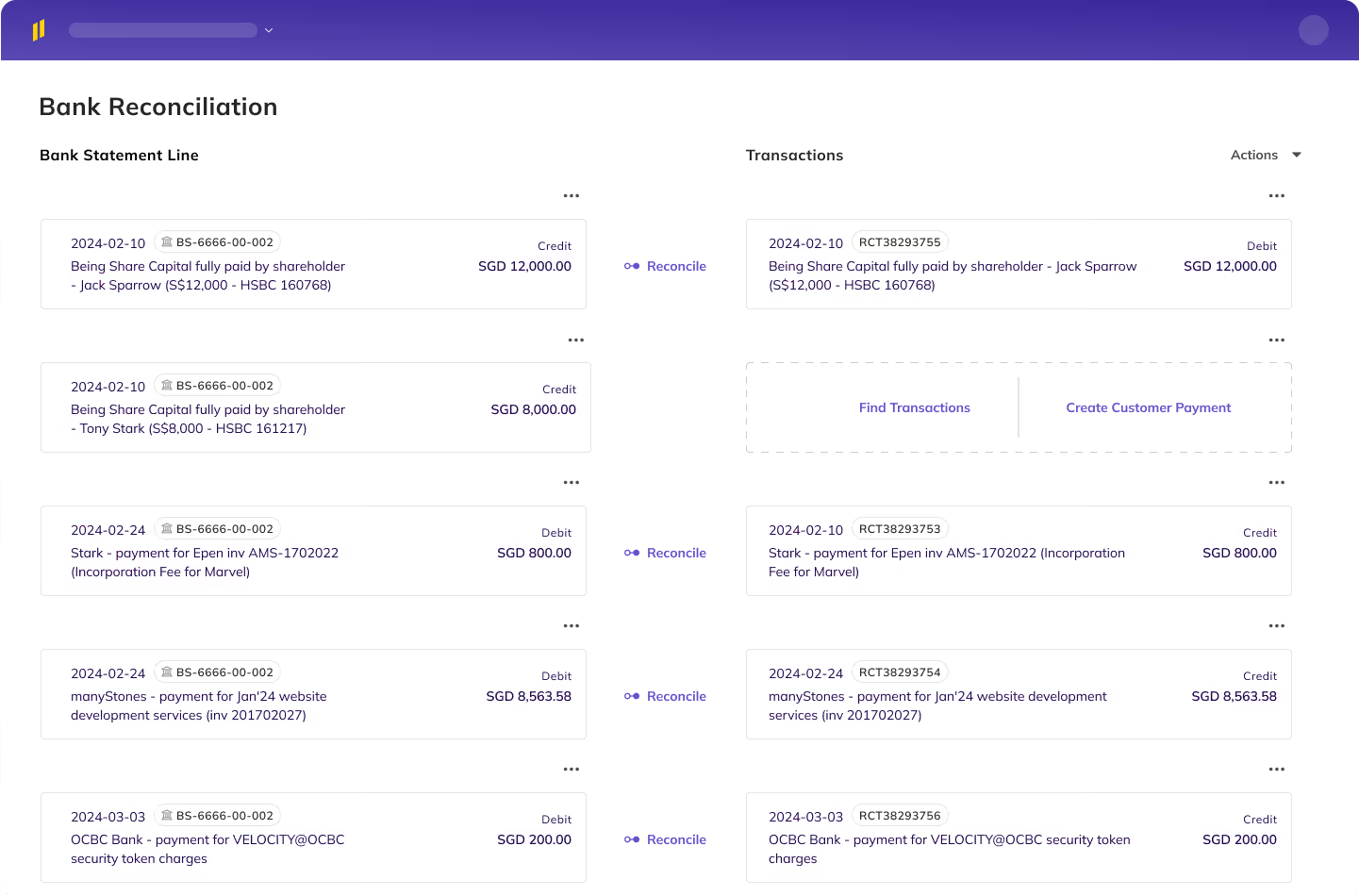
For most accounting platforms, bank reconciliation means scrolling through a list of bank lines and manually matching each one to a posted transaction. Tedious, repetitive, and a common bottleneck during month-end close.
Eleven proposes matches automatically. When a bank statement is imported, the system suggests which posted transactions correspond to which bank lines based on amount, date, payee, and historical matching patterns. The accountant's job becomes confirmation, not search. Review each suggested match, accept or reject, handle the exceptions.
The matching is suggestion-based by design. Bank reconciliation has too many edge cases (partial matches, batched payments, reversals) for full automation to be safe. Suggestions accelerate the work without taking the judgment call away from the accountant.

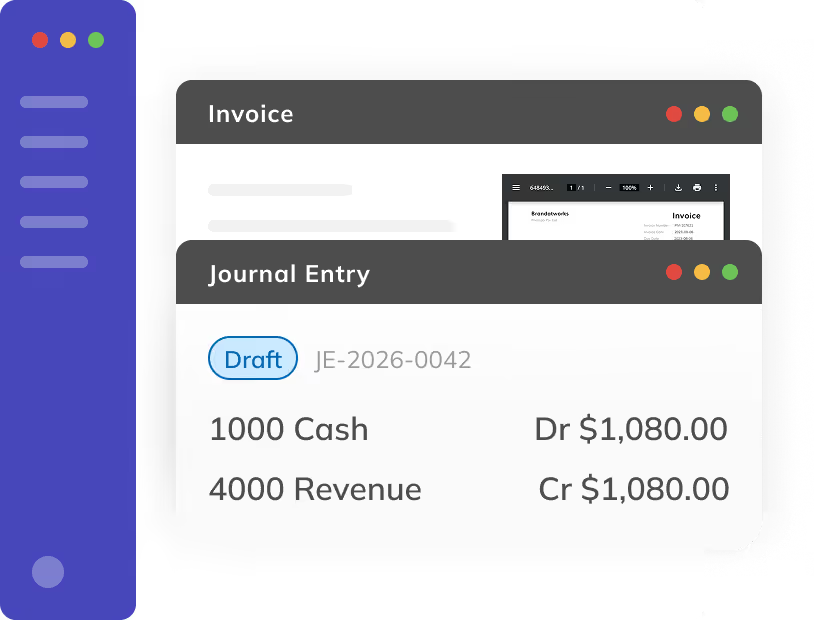
Nothing posts without explicit accountant approval.
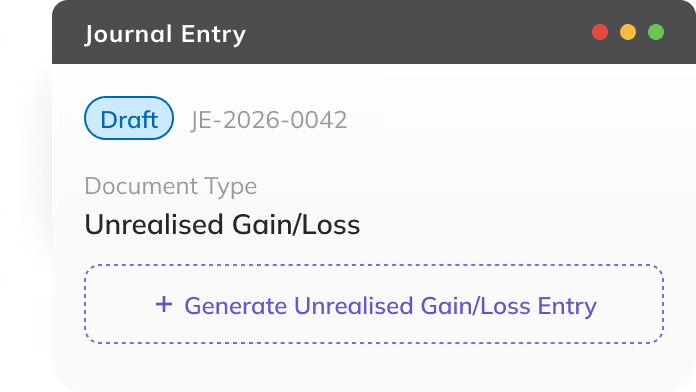
The calculation is automated; the posting is yours.
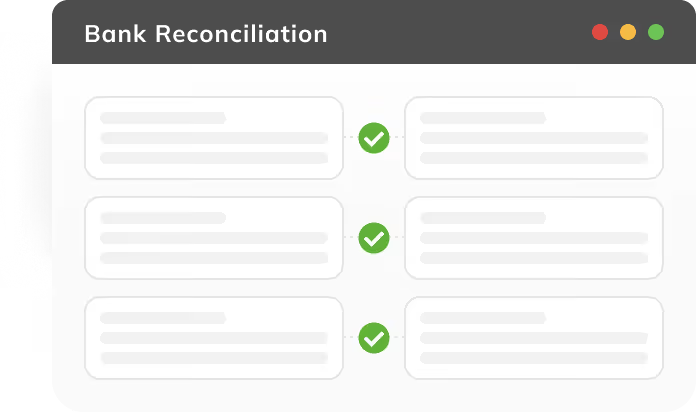
The accountant remains the one who closes each line.

At the heart of our AI systems is a commitment to fairness. We believe everyone should be treated without bias. Our goal is to make sure our AI provides exceptional service to all users, no matter who they are.

We build AI systems that work as intended and are resistant to misuse. With stringent quality control measures, we strive to uphold the integrity and dependability of our AI technologies.

We take data privacy seriously and follow strict protocols to protect your information. Our AI systems are built with robust safeguards and comply with all the necessary data governance practices.

We strongly believe in transparency when it comes to our AI systems. We build trustworthy AI products that are easy to understand and promote data transparency.

We aim to always do the right thing. We hold ourselves accountable for our AI systems’ impact and regularly ensure our technology aligns with our values. We're in this for the long haul. We’re here to do right by you.